

Can Plants Really Clean Your Air?
Yes! NASA's famous Clean Air Study found that certain houseplants can remove harmful toxins like benzene, formaldehyde, trichloroethylene, xylene, and ammonia from indoor air. While plants alone can't replace air purifiers in heavily polluted environments, they significantly contribute to a healthier, fresher indoor atmosphere. Here are the top 7 air-purifying plants you should bring home today.
1. Spider Plant (Chlorophytum comosum)

The spider plant is one of the most effective air purifiers available. It removes formaldehyde and xylene from the air and is completely safe for pets and children. Its arching green-and-white striped leaves and dangling "spiderettes" make it a charming addition to any room.
- Toxins removed: Formaldehyde, xylene
- Light: Indirect bright light
- Care level: Very easy
2. Peace Lily (Spathiphyllum wallisii)
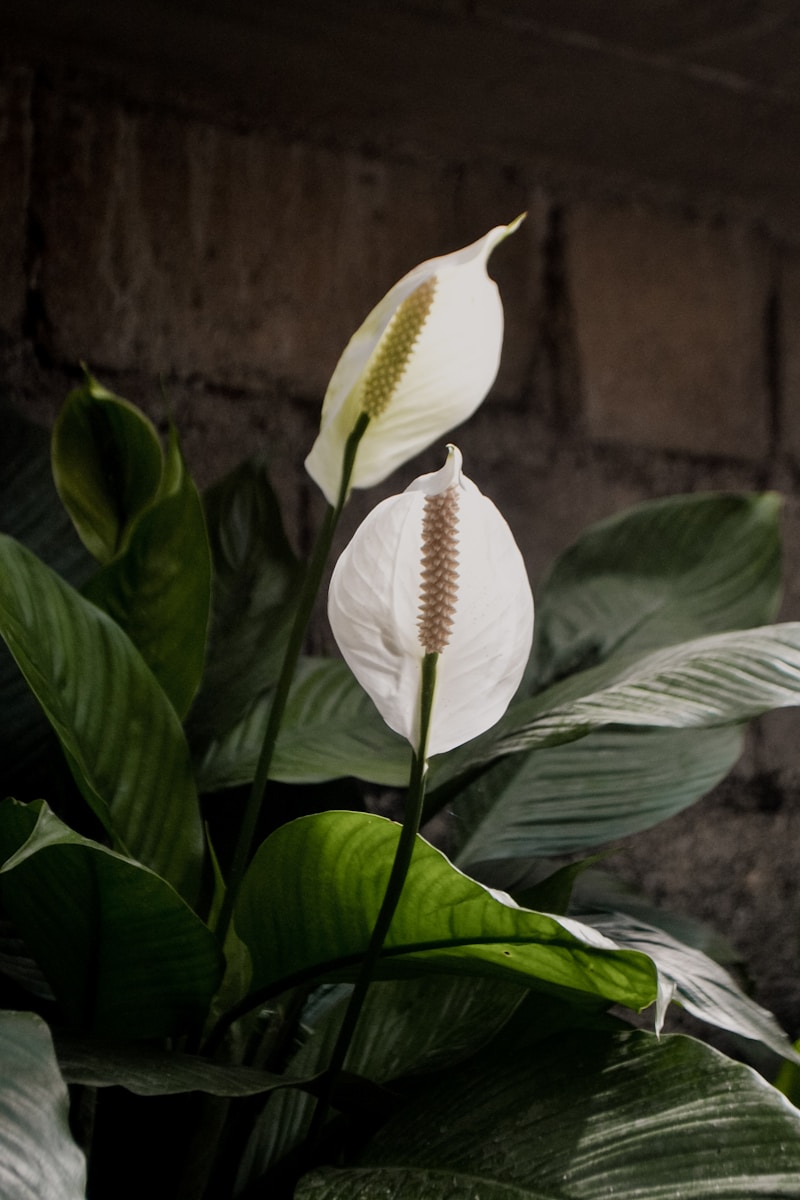
The peace lily is a powerhouse air purifier. It removes five of the most common indoor air pollutants: benzene, formaldehyde, trichloroethylene, xylene, and ammonia. Its elegant white blooms and glossy leaves make it one of the most beautiful houseplants too. It thrives in low light, making it perfect for bedrooms and offices.
- Toxins removed: Benzene, formaldehyde, ammonia, xylene, trichloroethylene
- Light: Low to medium indirect light
- Care level: Easy
3. Snake Plant (Sansevieria trifasciata)
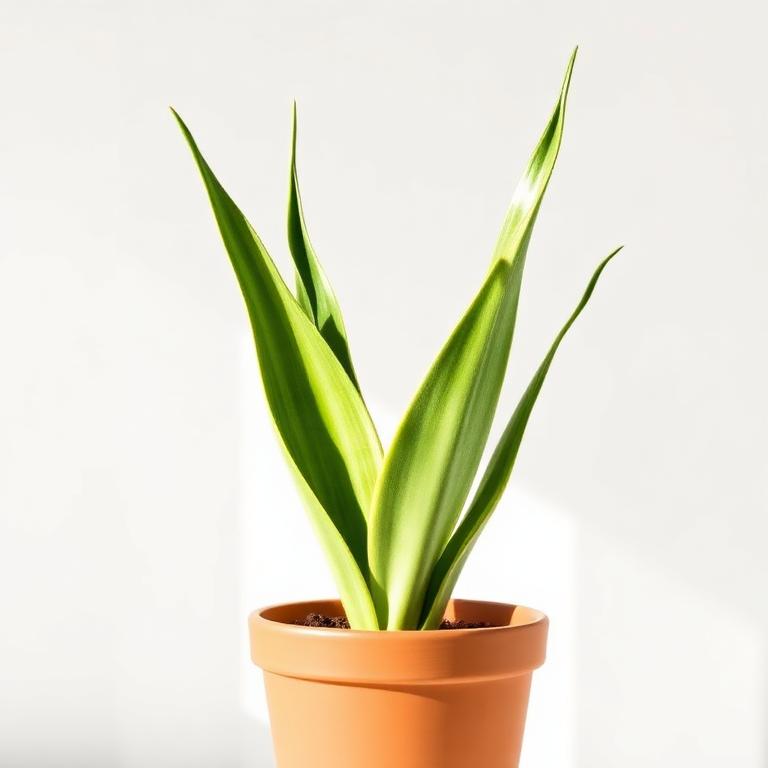
What makes the snake plant truly special is that it converts CO2 into oxygen at night — unlike most plants that do this only during the day. This makes it an ideal bedroom plant. It also filters formaldehyde, benzene, xylene, and toluene from the air.
- Toxins removed: Formaldehyde, benzene, xylene, toluene
- Light: Any light condition
- Care level: Very easy
4. Boston Fern (Nephrolepis exaltata)
Boston ferns are among the most efficient air purifiers in the plant kingdom. They excel at removing formaldehyde and act as natural humidifiers, releasing moisture into the air. Their lush, feathery fronds create a tropical, spa-like atmosphere in any room.
- Toxins removed: Formaldehyde, xylene
- Light: Indirect bright light
- Care level: Moderate (needs humidity)
5. Rubber Plant (Ficus elastica)

The rubber plant's large, waxy leaves are excellent at absorbing airborne chemicals and breaking them down into harmless substances. It's particularly effective at removing formaldehyde. Its bold, dramatic appearance makes it a stunning statement plant for living rooms and hallways.
- Toxins removed: Formaldehyde
- Light: Bright indirect light
- Care level: Easy
6. Aloe Vera
Aloe vera is well-known for its skin-healing properties, but it's also a great air purifier. It removes formaldehyde and benzene — chemicals commonly found in cleaning products and paints. It also acts as an air quality indicator: when the concentration of harmful chemicals in the air is high, brown spots appear on the leaves.
- Toxins removed: Formaldehyde, benzene
- Light: Bright direct or indirect light
- Care level: Very easy
7. Bamboo Palm (Chamaedorea seifrizii)
The bamboo palm is one of the top-rated air purifiers in NASA's study. It's particularly effective at filtering benzene, trichloroethylene, and formaldehyde. Its graceful, tropical appearance adds a resort-like feel to any space, and it thrives in indirect light.
- Toxins removed: Benzene, trichloroethylene, formaldehyde
- Light: Indirect bright light
- Care level: Easy to moderate
How Many Plants Do You Need?
According to NASA's research, you need approximately one plant per 100 square feet (about 9 square meters) of space for meaningful air purification. So for a typical living room of 300 square feet, aim for at least 3 plants. The more, the better!
Conclusion
Bringing air-purifying plants into your home is one of the simplest and most beautiful ways to improve your indoor air quality. These plants not only clean the air but also reduce stress, boost creativity, and make your home feel more alive. Start with one or two and watch your space transform! 🌿💨

Leave a comment
This site is protected by hCaptcha and the hCaptcha Privacy Policy and Terms of Service apply.